Assess and Define the Vision
Evaluate current workforce processes, technology, and organizational readiness, then establish a clear transformation vision, scope, and measures of success before moving into planning or implementation.
WFM · HCM · AI Transformation
Plan the right transformation. Lead it successfully. Realize its value.
Strategic WFM Consulting helps organizations develop the strategy, business case, roadmap, and governance needed to select and implement Workforce Management and HCM technology successfully.
We provide senior-level leadership across the transformation, aligning people, processes, and technology to drive adoption, manage delivery risk, and achieve measurable business outcomes.
Strategy & Roadmap · Vendor Selection · Transformation Leadership · Adoption & Value Realization
When to Bring Us In
Strategic WFM Consulting supports organizations at key points in their transformation journey, from defining the initial vision and evaluating the investment to selecting technology, establishing the program, and strengthening delivery already underway.
Clients typically engage us when they need to:
Evaluate current workforce processes, technology, and organizational readiness, then establish a clear transformation vision, scope, and measures of success before moving into planning or implementation.
Assess business processes, customer and employee journeys, and operational pain points to determine where AI and automation can improve efficiency, reduce manual effort, strengthen decision-making, and enhance service delivery.
Translate the vision and assessment findings into a realistic plan that defines priorities, phases, and timing, and determine whether the investment is justified by quantifying costs, benefits, and ROI in an executive-ready business case.
Determine which WFM/HCM platform best meets the organization's operational, technical, and strategic requirements, and evaluate the implementation partner and delivery approach best equipped to achieve the desired outcomes.
Develop the project charter, governance structure, and roles required to move successfully from strategy into execution, and address unclear ownership, misalignment, or delivery-partner performance in a transformation already underway.
Provide an independent assessment when leaders have concerns about scope, direction, progress, risk, organizational readiness, adoption, or the program's ability to achieve its expected value.
WFM & HCM Advisory Services
Engagements are tailored to your organization's current needs, from an independent assessment or business case to executive leadership of a complex transformation. Every engagement is principal-led, giving clients direct access to senior experience throughout the work.
Assess the organization's current workforce processes, technology, policies, governance, operating model, organizational readiness, and employee and manager experience.
Define a future state that aligns people, processes, and technology with the organization's strategic and operational goals. Identify improvement opportunities, establish transformation priorities, quantify expected value, and build a practical multi-year roadmap.
The objective is not simply to replace a system. It is to determine how workforce operations should function in the future and what must change across the organization to make that future state successful.
Typical deliverables include:
Translate business and operational needs into clear requirements and help select the right WFM/HCM technology and delivery partner.
Support includes:
The objective is not simply to select the strongest product, but to select the technology, partner, and delivery approach best suited to your organization.
Provide senior-level leadership across the full business transformation, not only the technology implementation.
This role aligns business leaders, operations, HR, IT, payroll, labor relations, employees, and delivery partners around a shared future-state vision and a coordinated path to achieve it.
Focus areas include:
This role complements the project management function by ensuring that implementation decisions remain connected to the broader transformation objectives and intended business outcomes.
Independently assess a WFM/HCM program that is experiencing delays, unclear accountability, stakeholder misalignment, scope challenges, or delivery risk.
The assessment identifies root causes, immediate priorities, and practical corrective actions to stabilize delivery and restore executive confidence.
Help the organization prepare for new processes, technology, roles, and ways of working.
Support the transition from implementation to sustained operations by focusing on:
A successful implementation is not measured only by whether the system goes live, but by whether it improves how the organization operates.
AI & Automation Strategy
Many organizations understand the potential of AI but struggle to determine where to begin, which opportunities are realistic, and how to move from ideas to implementation.
Strategic WFM Consulting helps organizations identify, evaluate, and prioritize AI and automation opportunities based on business value, feasibility, data readiness, risk, and time to value.
The offering is especially relevant to workforce operations, shared services, consulting delivery, scheduling, timekeeping, labor optimization, and other process-intensive business functions. The same structured approach can also be applied to broader operational opportunities across an organization.
What the Engagement Includes
Understand the organization's strategy, business priorities, data maturity, and organizational readiness, and map key customer, employee, and business journeys to identify pain points and operational inefficiencies.
Identify potential use cases across predictive AI, generative AI, agentic AI, workflow automation, and decision support.
Each opportunity is connected to a defined business problem and measurable outcome, not simply to the use of a new technology.
Evaluate each opportunity based on business value, feasibility, data readiness, investment requirements, risk, and time to value, then develop executive-ready business cases that quantify benefits and costs for priority opportunities.
Create a phased implementation roadmap covering priority use cases, foundational capabilities, data and technology dependencies, governance, and organizational change, sequenced across short-, medium-, and long-term initiatives.
Present findings and recommendations to leadership, support investment decisions, and provide ongoing governance as selected opportunities move from concept into implementation.
Our Approach
A new WFM or HCM platform may enable change, but technology alone does not deliver better business outcomes.
Strategic WFM Consulting approaches every engagement as a business transformation, aligning people, processes, and technology from the initial strategy and business case through implementation, adoption, and value realization.
Understand the organization's business priorities, current processes, technology environment, and readiness for change, then establish how workforce operations should function in the future, including processes, roles, and the employee and manager experience.
Define what must change across people, processes, and technology, quantify the expected benefits, and create a practical roadmap, then choose the platform, implementation partner, and delivery approach best aligned with that future-state vision.
Create alignment across business, HR, IT, payroll, operations, labor relations, and delivery partners while maintaining clear governance, accountability, and executive decision-making.
Prepare leaders, managers, and employees for new processes and ways of working through change management and training, then support the transition into operations and track results against the original business case.
About Al Asgarian
Al Asgarian is the founder of Strategic WFM Consulting and a workforce transformation and Professional Services executive with more than 22 years of experience. He has led and supported complex WFM and HCM transformations for Fortune 500 organizations across healthcare, retail, hospitality, technology, and other labor-intensive environments, including executive leadership at Axsium Group and senior consulting and engagement leadership roles with Deloitte and Ernst & Young.
As Vice President of Delivery at Axsium Group, Al led and scaled the firm's Professional Services organization, with responsibility for delivery strategy, organizational performance, financial management, client outcomes, and delivery excellence across enterprise workforce engagements.
Throughout his career, Al has worked at the intersection of business strategy, workforce operations, enterprise technology, and implementation delivery, giving him both the judgment to help clients make better transformation decisions and the experience to execute them successfully. He holds an MBA and Project Management Professional certification and is completing an Advanced Certificate in AI and Product Strategy through Northwestern University's Kellogg School of Management.
WFM Playbook
Selected articles published on LinkedIn.
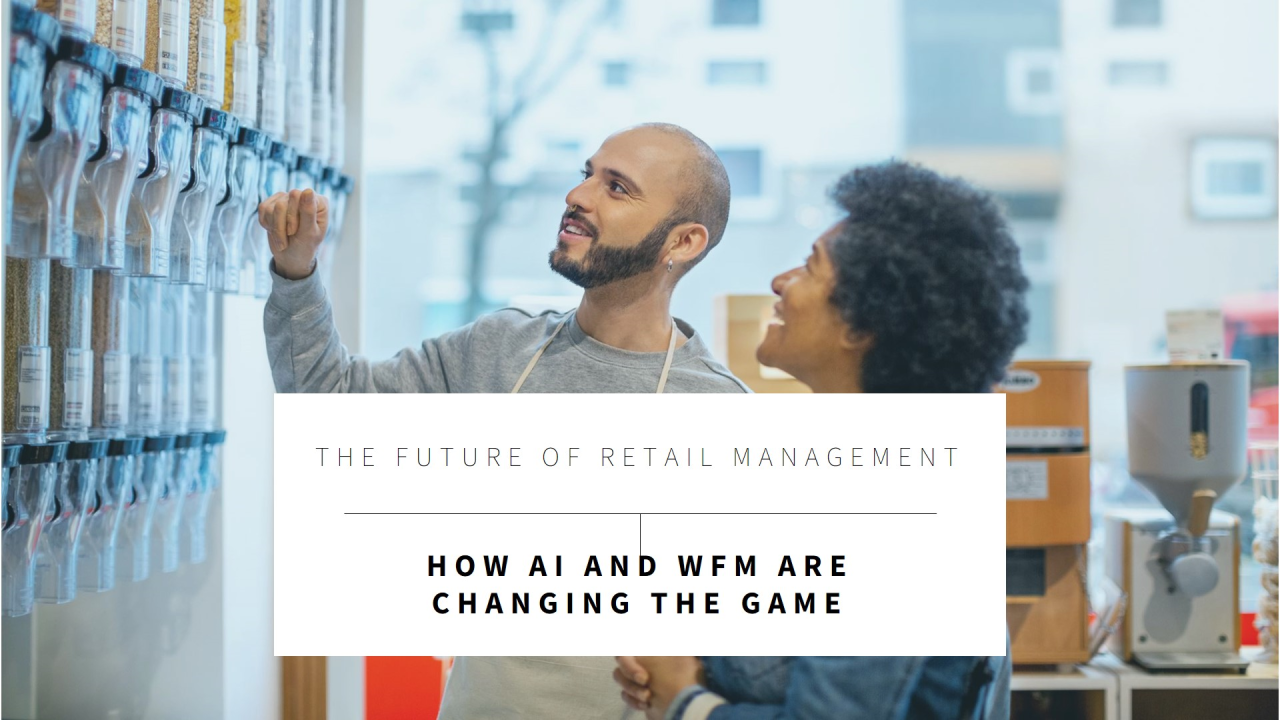
AI is increasingly able to offer retail managers data-driven recommendations that once took years of experience to develop. This piece explores what that shift means for the retail manager's role, from AI as collaborator to the risk of deskilling human judgment.
Read Full Article →
A WFM system isn't a "set it and forget it" tool; labor laws, company policy, and technology keep shifting. This piece makes the case for a WFM Center of Excellence: a cross-functional team responsible for governance, adoption, and continuous improvement, using a Balanced Scorecard to prove the system is actually delivering value.
Read Full Article →
Global WFM rollouts mean juggling multiple stakeholders, legal requirements, and cultural differences across every country you operate in. This piece breaks down the biggest challenges, from separating legal versus non-legal requirements to building the governance, change management, and risk frameworks that turn a chaotic rollout into a competitive advantage.
Read Full Article →
Deep, enduring client relationships aren't built on a formal strategy. This piece breaks down the principles behind lasting client trust, drawn from two decades of consulting relationships: genuine listening, real investment in outcomes, and honest, sometimes uncomfortable conversations.
Read Full Article →
In the age of automation and AI, why do many manufacturers still rely on fixed shift rotations? This piece looks at the real barriers, tradition, complexity, cost, workforce acceptance, compliance, and unreliable demand forecasts, that keep advanced scheduling out of reach for many plants.
Read Full Article →
Mastering advanced scheduling in retail means getting forecasting right, balancing hard and soft rules, integrating with other enterprise systems, and building in enough flexibility to keep employees engaged, not just efficient.
Read Full Article →
An upfront readiness assessment is the foundation of a successful WFM implementation, not an optional first step. This piece breaks down how understanding current state, defining a future vision, and uncovering root causes across people, process, and technology sets up a realistic roadmap.
Read Full Article →
AI in workforce management has mostly focused on forecasting and scheduling accuracy. The next opportunity is using AI as a fairness monitor, flagging when someone is working too many weekends or missing out on preferred shifts, so managers can make more balanced decisions.
Read Full Article →
Maintaining consulting service quality takes more than good intentions. Eight strategies for keeping standards high and consistent, starting with why a dedicated service operations group matters more than spreading the work across already-stretched consultants.
Read Full Article →
A dependable WFM business case comes down to four steps: mapping the current ecosystem, reviewing opportunities and industry trends, running a conservative ROI analysis, and building an execution roadmap that accounts for the human side of change, not just the numbers.
Read Full Article →
A WFM implementation without a solid business case is like a family trip without planning. Why ROI, hard and soft savings, strategic goals, and a balanced scorecard all matter before you ever get started.
Read Full Article →
Forecasting and scheduling are part science, part art. Five steps to getting the balance right: solid labor standards, the right blend of rules and flexibility, disciplined testing, a slow rollout, and change management that actually gets people on board.
Read Full Article →
What hosting a great dinner party has in common with a successful WFM implementation: strategic planning, anticipating what people actually need, room for innovation, and the attention to detail that separates a good rollout from a forgettable one.
Read Full Article →
Retail success depends on balancing long-term labor planning, forecasting future staffing needs against market trends, with short-term operational agility that adapts to real-time demand. Why mastering both horizons, not just one, is what separates retail leaders from the rest.
Read Full Article →Credentials & Platform Experience
Experience includes platform strategy, selection, implementation governance, program leadership, and workforce transformation advisory. The nature and depth of experience vary by platform and engagement.
Let's Talk
Let's discuss your goals, current challenges, and the decisions required to move forward.
or reach out directly